Reviewing Teacher, Helping Little Minds Grow SVG for Embroidery
As a designer who spends half my life digitizing patterns and the other half testing them on actual fabric, I have learned to be skeptical of generic digital assets. We all know the feeling: you download a file that looks crisp on your monitor, only to find it turns into a tangled mess of thread once it hits the hoop. That is why I took a close, practical look at Teacher, Helping Little Minds Grow SVG. This isn’t just about whether the pixels line up; it is about whether this design holds up when you are trying to build a reputable craft business or create a meaningful personalized gift.
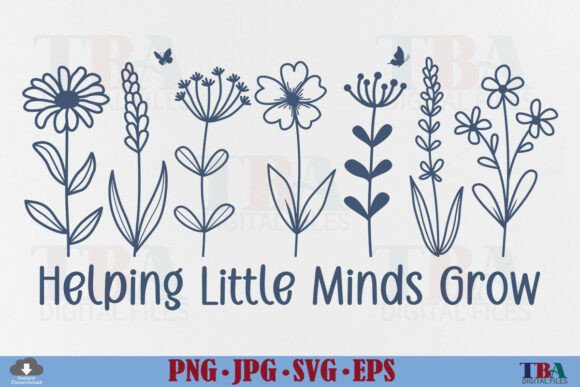
The first thing that strikes me about this graphic is its thematic clarity. The phrase "Helping Little Minds Grow" carries a warmth that resonates deeply with educators, parents, and caregivers. Visually, the layout suggests a balance between playful typography and organic shapes, likely incorporating elements like leaves, books, or abstract growth motifs. For an embroidery project, this mood is crucial. It dictates where the design belongs. You wouldn’t put this on a high-performance athletic jersey, but it fits perfectly on a soft cotton tote bag, a cozy sweatshirt, or a nursery pillow cover. The aesthetic is gentle, professional, and inviting, which is exactly what teachers and early childhood educators look for in their wardrobe and classroom decor.
Real-World Application: The Custom Tote Bag Test
To truly evaluate Teacher, Helping Little Minds Grow SVG, I imagined a specific real-life scenario. A local preschool teacher approached me for a custom order. She wanted a sturdy canvas tote bag to carry her lesson plans and snacks. She needed something that said "professional educator" without being stiff or corporate. This design was the immediate frontrunner.
When working with a design like this for a tote bag, the primary concern is scale and stitch density. Canvas is a heavy, textured fabric. If the design relies too heavily on thin running stitches or tiny details, they will get lost in the weave of the material. However, if the design utilizes bold fill stitches or well-defined satin stitches for the lettering, it will pop beautifully against the neutral background. In my mental mockup, I placed the graphic centrally on the bag. The transparent background mentioned in the product description is vital here. It allows me to visualize exactly how the threads will interact with the fabric color without any white box artifacts interfering with my planning.
The result? A high-value handmade product. A tote bag with this embroidery feels substantial and thoughtful. It transforms a generic accessory into a statement piece that celebrates the profession. For an Etsy seller or small shop owner, this is the kind of item that generates repeat customers because it feels personal and high-quality.
Navigating Technical Constraints and Fabric Choices
While the concept is strong, we must address the technical realities of turning a digital graphic into a physical embroidered item. The product description notes that you receive PNG files at 300 DPI. This is excellent for printing or using as a reference image, but it presents a unique challenge for machine embroidery. Unlike a native embroidery file (such as PES or DST) that contains stitch data, a PNG is a raster image. This means you cannot simply load it into your embroidery machine and hit start.
For an experienced designer, this is not a dealbreaker, but it is a critical distinction. You will need to use auto-digitizing software or, preferably, manually digitize the design based on the PNG reference. This gives you control over stitch types. For the text "Teacher, Helping Little Minds Grow," I would recommend using a dense satin stitch for larger letters to ensure readability and a clean finish. For any accompanying graphical elements, such as leaves or icons, a combination of fill stitches and running stitches can add texture without creating excessive bulk.
Fabric choice plays a massive role here. If you are applying this to a stretchy fabric like a jersey t-shirt or a baby onesie, stabilizer selection is non-negotiable. A cut-away stabilizer is essential to prevent the design from puckering after washing. On dark fabrics, you must consider thread color contrast. The design’s legibility depends on the viewer being able to distinguish the letters from the background. I always advise testing the design on scrap fabric first. Check how the thread colors interact with the fabric texture. Does the green thread blend too much with a forest green shirt? Does the white thread stand out enough on a navy blue sweatshirt? These are the details that separate amateur work from professional commercial embroidery.
Commercial Viability and Brand Consistency
For those running a craft business or selling on platforms like Etsy, consistency is key. Teacher, Helping Little Minds Grow SVG offers a versatile asset that can be adapted across multiple product lines. Imagine offering this design on aprons for art teachers, patches for librarian bags, or even printed on greeting cards as a hybrid product. The visual personality of the design is consistent with current trends in educational decor: modern, clean, and heartfelt.
However, before listing finished products, you must verify the licensing terms. The description states it is for personal and commercial use, but always double-check the specific restrictions. Can you sell the digital file itself? Usually, no. You are selling the finished product, such as the embroidered sweatshirt or the printed mug. Understanding this distinction protects your small shop from legal issues and builds trust with your buyers. When customers see a well-executed embroidery job, they perceive higher value. They are not just buying a shirt; they are buying a piece of art that represents their identity or profession.
Practical Designer Notes for Best Results
To get the most out of this design, keep these practical tips in mind:
- Test on Scrap Fabric: Never run a new design on your final garment without a test stitch-out. Check for thread breaks and tension issues.
- Check Stitch Density: If you are digitizing from the PNG, ensure the stitch count isn’t too high for lightweight fabrics, which can cause tearing.
- Contrast is King: Use thread colors that contrast sharply with the fabric. Dark thread on light fabric, or vice versa, ensures the message is readable from a distance.
- Hoop Size Matters: Ensure your hoop size accommodates the full width of the design. If the design is large, you may need a 5x7 or 6x10 hoop rather than a standard 4x4.
- Stabilizer Selection: Match the stabilizer to the fabric. Use tear-away for stable woven fabrics and cut-away for knits and stretchy materials.
- Inspect Small Details: If the design includes tiny elements, consider simplifying them for embroidery. Tiny details often get lost in stitching and can fray over time.
In conclusion, Teacher, Helping Little Minds Grow SVG is a strong candidate for your next embroidery project. It captures a sentiment that is both professional and affectionate, making it ideal for teachers, daycare providers, and education enthusiasts. While it requires careful handling regarding digitization and fabric preparation, the potential for creating high-quality, sellable handmade products is significant. Whether you are creating a custom apparel line or a single personalized gift, this design offers the visual appeal and emotional resonance needed to make a lasting impression. Just remember to respect the technical limits of your machine and materials, and you will produce a finished product that stands out in any boutique or craft fair.