Brave Kind Learn: A Designer’s Review
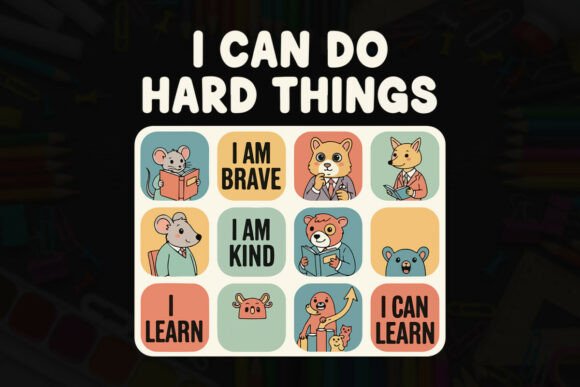
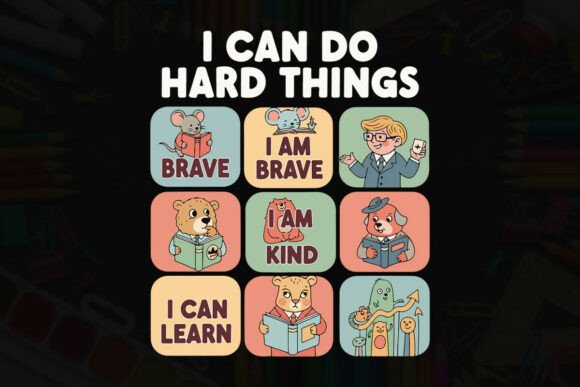
As an embroidery designer who spends more time staring at stitch simulations than I care to admit, I have developed a specific set of criteria for evaluating digital assets. It is not just about whether a file opens correctly in my software; it is about how that design translates from a pixelated screen to actual thread on fabric. Recently, I pulled up the Brave Kind Learn Self-Esteem Chart to evaluate its potential for a upcoming batch of custom orders. This piece, categorized under T-Shirt Designs and Graphics, initially caught my eye for its bold messaging, but I needed to know if it could hold up under the needle.
First Impressions and Visual Personality
The first thing that strikes you about the Brave Kind Learn Self-Esteem Chart is its confident layout. In a market saturated with overly complex, cluttered motifs, this design offers a refreshing clarity. The typography appears structured yet approachable, creating a mood that is both educational and empowering. For those of us creating handmade products for educators, parents, or students, the visual personality here is spot-on. It does not scream for attention with unnecessary flourishes; instead, it relies on strong, clean lines that suggest stability and growth.
When I zoomed in to inspect the details, I was looking for potential pitfalls. Tiny serifs or overly tight kerning can be nightmares in embroidery, leading to thread breaks or illegible text after washing. The Brave Kind Learn Self-Esteem Chart seems to balance aesthetic appeal with technical feasibility. The spacing between letters looks sufficient to allow for proper stitch formation without the threads merging into a solid, unreadable blob. This is crucial for anyone planning to use this as a commercial embroidery asset.
Real-World Application: The Teacher Appreciation Project
To truly test a design, you have to imagine it in a real-life scenario. I recently had a request for a set of personalized gifts for a local elementary school staff. The client wanted something that celebrated the passion, dedication, and impact of educators. While the product description mentions a Teacher T-shirt design, I immediately thought beyond apparel. I envisioned this artwork stitched onto heavy canvas tote bags for book fairs, or perhaps as a chest logo on high-quality sweatshirts for cooler classroom days.
In this context, the Brave Kind Learn Self-Esteem Chart shines. It is versatile enough to work as a standalone statement piece or as part of a larger branded collection for a small shop product. If you are an Etsy seller or a craft business owner, you know that versatility equals value. A design that works on a tote bag design and a sweatshirt embroidery project simultaneously saves you time on resizing and re-digitizing. The bold nature of the graphics ensures that the message remains readable even from a distance, which is essential for items meant to be worn or carried in public spaces.
Technical Considerations for Stitching
Let’s talk about the nuts and bolts of turning this digital embroidery file into a finished product. Regardless of whether you are using a single-needle home machine or a multi-needle commercial embroidery setup, certain principles apply. The Brave Kind Learn Self-Esteem Chart likely utilizes a combination of fill stitch for larger areas and satin stitch or running stitch for outlines and finer text details.
One critical factor is stitch density. If the design is too dense, it can cause puckering, especially on lighter fabrics. If you are planning to stitch this on a thin cotton t-shirt, I strongly recommend using a cut-away stabilizer to support the weight of the threads. For textured fabrics like towels or fleece, you might need to adjust your pull compensation settings. Always test the design on scrap fabric first. This simple step can save you from ruining expensive blanks and helps you determine the optimal thread colors for maximum contrast.
Speaking of thread colors, this design offers a great opportunity to play with palette psychology. Since the theme revolves around self-esteem and learning, bright, primary colors could evoke a playful, youthful energy suitable for baby embroidery or kindergarten classrooms. Alternatively, muted earth tones or monochromatic schemes could elevate the design for a more sophisticated boutique branding look. I always advise checking how the design looks in black and white mockups first; if it lacks contrast in grayscale, it may lack definition when stitched.
Navigating Challenges and Fabric Choices
While the Brave Kind Learn Self-Esteem Chart is robust, it is not without its constraints. Designers must be cautious when applying this to curved surfaces like caps. The rigid structure of the text might distort if the hoop size is not perfectly aligned with the curve of the hat. Similarly, if you are working with stretchy fabric, such as athletic wear, you must ensure your stabilizer choice prevents the design from warping after repeated washing.
Another area of concern is small hoop sizes. If you attempt to shrink this design significantly to fit a 4x4 hoop for an embroidered patch, you risk losing the legibility of the smaller words. Detailed corners and tiny lettering do not scale down well in embroidery. I recommend keeping the design at a size where the smallest text element is at least 0.25 inches tall to maintain clarity. For dark fabric, consider using a lighter thread color or adding a subtle underlay to ensure the design pops without requiring excessive stitch counts that could stiffen the garment.
Commercial Value and Brand Consistency
For creative entrepreneurs and digital product sellers, the ultimate question is: does this design sell? The answer lies in its emotional resonance. The Brave Kind Learn Self-Esteem Chart taps into a powerful narrative of empowerment. When customers see this on a holiday embroidery gift or a personalized product, they are not just buying a stitched item; they are buying into a value system. This enhances customer trust and brand consistency for shops that focus on meaningful, heartfelt merchandise.
Moreover, the professional appearance of the design contributes to higher perceived value. A clean, well-executed embroidery project signals quality. Whether you are creating printable mockups for your online store or producing physical items for a craft fair, the clarity of this graphic ensures that your presentation looks polished. It avoids the amateurish look of poorly digitized art, thereby boosting buyer engagement and potentially allowing for a higher price point.
Final Verdict and Practical Advice
Before you purchase or download any design assets, always confirm licensing terms. Ensure that the file is cleared for commercial use if you plan to sell finished items. Check the available formats to guarantee compatibility with your specific machine software. While the Brave Kind Learn Self-Esteem Chart appears to be a strong contender for various applications, due diligence is key.
In summary, this design is a practical, visually appealing choice for anyone looking to create impactful embroidered goods. It bridges the gap between artistic expression and technical practicality. Whether you are making a custom apparel piece for a teacher, a cozy blanket for a child, or a stylish apron for a school fundraiser, this graphic holds up. Just remember to respect the limitations of your materials, choose your stabilizer wisely, and let the bold message of the design take center stage. With careful execution, the Brave Kind Learn Self-Esteem Chart can be a standout addition to your portfolio of design assets.